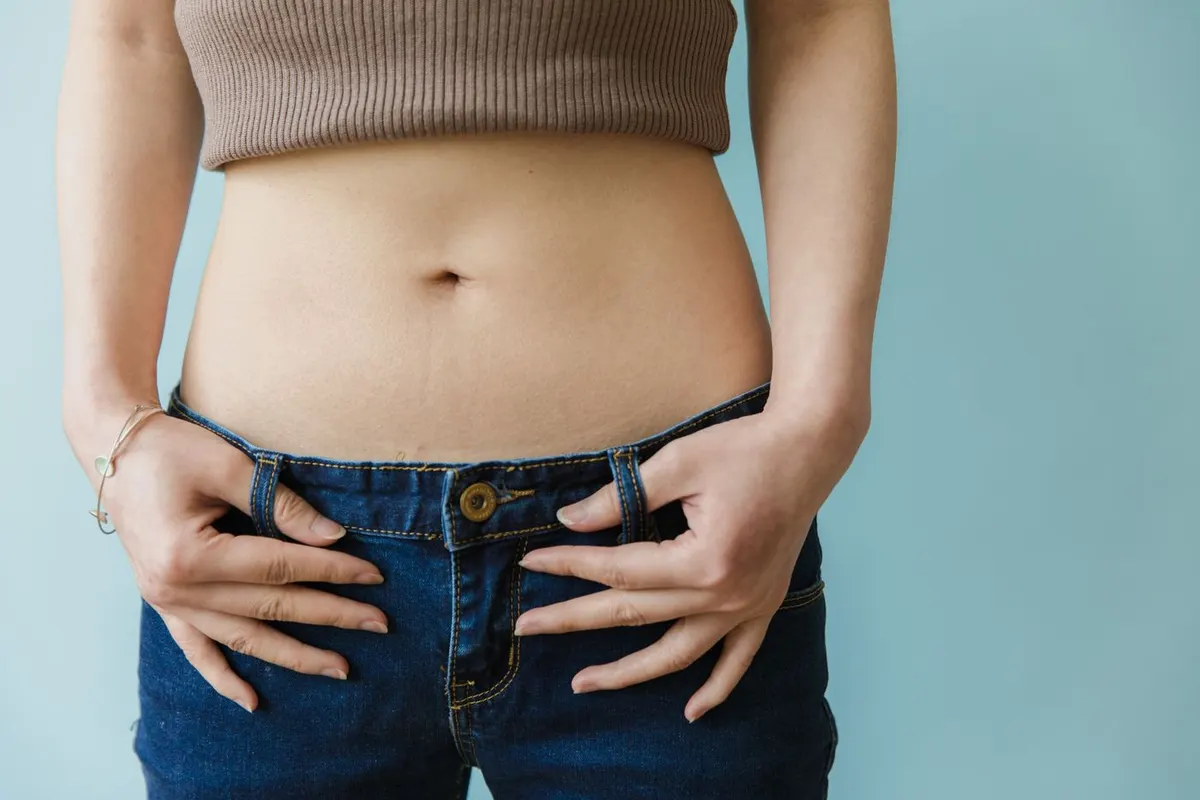
Gaining weight in menopause, especially around your middle, when you have not changed what you eat, is one of the most common and most frustrating changes women describe. It is not a lack of willpower. Your body is genuinely working differently.
Why it happens
- •Falling oestrogen shifts where the body stores fat, from the hips and thighs towards the abdomen.
- •Muscle mass naturally declines with age, and less muscle means a slower resting metabolism.
- •Disrupted sleep and higher stress raise cortisol, which encourages fat storage around the middle.
- •Changes in how the body handles insulin can make weight harder to shift than it used to be.
In other words, the same habits that used to keep your weight steady may no longer be enough, through no fault of yours.
What actually helps
- •Strength or resistance training, which protects and rebuilds muscle and supports metabolism.
- •Enough protein through the day to maintain muscle.
- •Protecting sleep, since poor sleep drives appetite and cortisol.
- •Being realistic about alcohol, which adds calories and disrupts sleep.
- •Treating the menopause itself: for some women, well-managed HRT can help with the symptoms that make everything harder, which is a conversation for a prescriber.
How Solene fits
Solene is a nurse-led menopause service. Rather than treating weight in isolation, a nurse prescriber working through a CQC-registered practice looks at the whole picture, including sleep, mood and hormones, and what is realistically worth doing, with no GP referral and no waiting list.
This article is general information, not medical advice. Any treatment decision is one to make with a qualified prescriber who knows your history.
Is it menopause, or something else?
Map your symptoms in under 10 minutes and get free, personalised advice, then talk to a nurse prescriber if you want to.