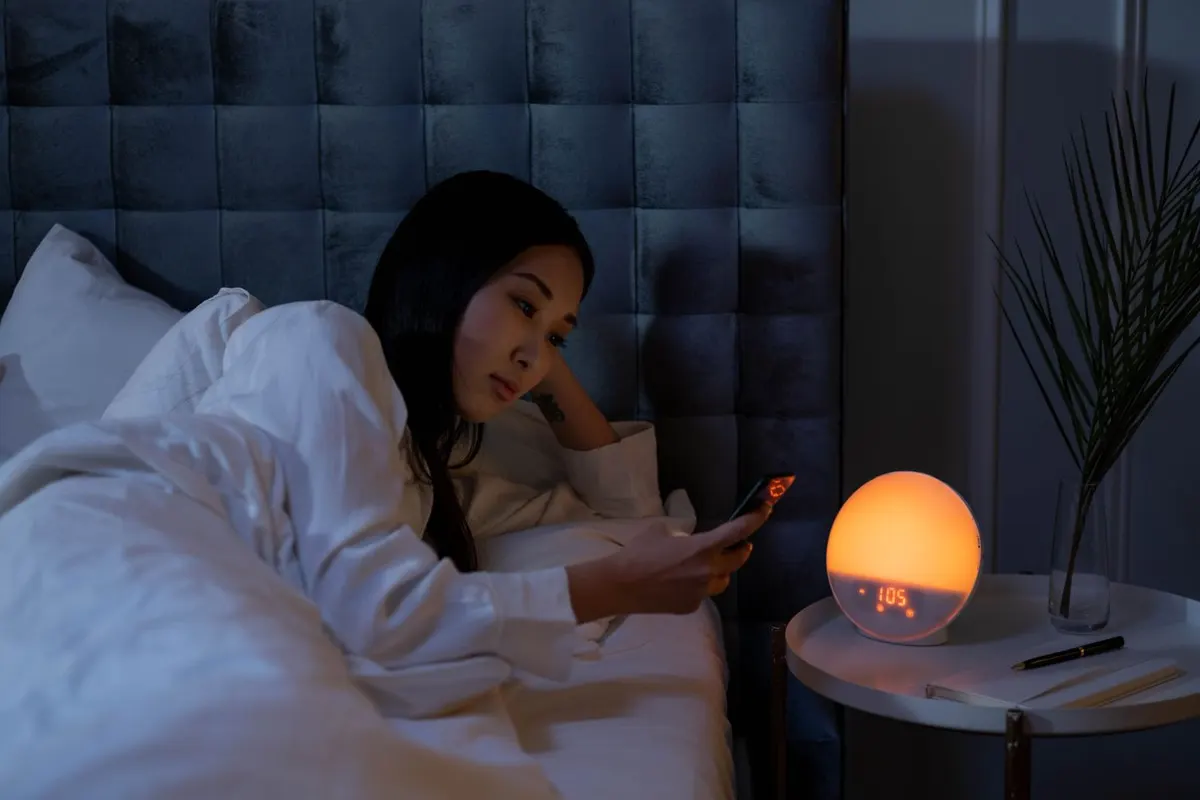
If you've found yourself suddenly anxious in your 40s (a racing heart, a knot in your chest, dread that comes from nowhere) when you've never been an anxious person, it may not be “just stress”. Anxiety is one of the most common symptoms of perimenopause, and one of the most frequently missed.
Why hormones drive perimenopause anxiety
Oestrogen helps regulate serotonin and other brain chemicals that steady mood. In perimenopause, oestrogen doesn't decline smoothly. It swings, and so does your nervous system's baseline. Progesterone, which has a calming effect, also drops. The result can be anxiety that feels disproportionate to what's actually going on, often arriving in waves rather than as a constant.
What it can look like
- •Sudden, unexplained worry or dread, sometimes worse in the morning
- •Heart palpitations or a racing pulse
- •Irritability and a shorter fuse than usual
- •New difficulty with sleep, which feeds the anxiety in a loop
- •Physical tension: chest tightness or a churning stomach
Why perimenopause anxiety can be worse in the morning
Many women notice their anxiety is at its worst first thing. Cortisol, the body's main stress hormone, naturally peaks in the early morning, and when your hormonal baseline is already unsettled that surge can tip over into dread or a racing heart before the day has even started. Broken sleep and early waking, both common in perimenopause, make that morning peak land harder. It usually eases through the day as cortisol falls.
The link between perimenopause anxiety and insomnia
Anxiety and sleep problems in perimenopause feed each other: a racing, “tired but wired” mind keeps you awake, and poor sleep then leaves you more anxious the next day. Breaking the loop usually means addressing both together rather than one at a time. If broken sleep is a big part of your picture, our guide to perimenopause and sleep covers what helps in more detail.
Options to discuss with your GP
There's no one-size-fits-all answer, and any treatment decision is one to make with a clinician who knows your history. For context, British Menopause Society (BMS) guidance on menopause describes a range of approaches a GP may discuss, including lifestyle measures (sleep, regular movement, and reducing alcohol and caffeine), talking therapies such as CBT, and hormone-based options. The BMS also notes that antidepressants should not be assumed to be a first-line treatment for low mood related to perimenopause on their own.
The most important step is naming it. Once you recognise anxiety as a possible perimenopause symptom rather than a personal failing, you can have a much more productive conversation with your GP, and a clear record of your symptoms makes that conversation far easier.
Not sure if it's perimenopause?
Map your symptoms in under 10 minutes and get free, personalised advice, then talk to a nurse prescriber if you want to.
Frequently asked questions
Is anxiety a symptom of perimenopause?
Yes. Anxiety is one of the most common symptoms of perimenopause. Fluctuating oestrogen affects the brain chemicals that steady mood, and falling progesterone removes some of its calming effect, so anxiety can appear or sharpen, often in waves.
Why is my perimenopause anxiety worse in the morning?
Cortisol, the main stress hormone, naturally peaks in the early morning. When your hormonal baseline is already unsettled, that surge can tip into dread or a racing heart before the day starts, and broken sleep makes it worse. It usually eases as the day goes on.
What is the link between perimenopause anxiety and insomnia?
They feed each other. An anxious, 'tired but wired' mind keeps you awake, and poor sleep leaves you more anxious the next day. Addressing both together tends to work better than treating either alone.
Does HRT help perimenopause anxiety?
Some women find mood and anxiety improve when perimenopausal symptoms are treated, and the British Menopause Society notes hormone-based options and talking therapies such as CBT can be discussed with a clinician. Whether HRT is right for you depends on your history and is a decision to make with a GP or nurse prescriber. This is information, not medical advice.
When should I see a GP about menopause anxiety?
Speak to your GP or a nurse prescriber if anxiety is new or worsening, is affecting your daily life, work or relationships, or comes with other perimenopause symptoms such as broken sleep, night sweats or irregular periods.