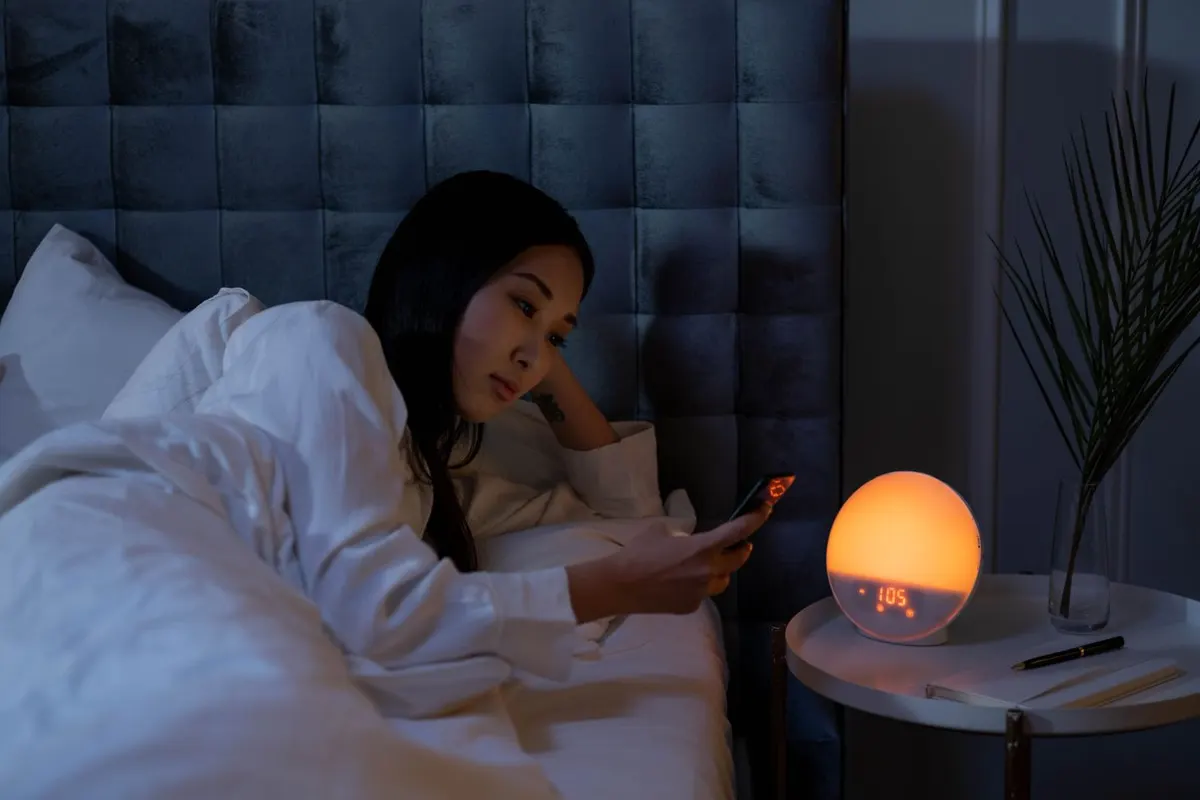
If you used to sleep fine and now you're wide awake at 3am, or waking drenched in sweat, or lying there with a mind that won't switch off, you're not imagining it. Disturbed sleep, often called perimenopause insomnia, is one of the most common and most exhausting symptoms of perimenopause and the menopause, and it feeds almost every other symptom.
The good news is that menopause-related sleep problems are well recognised and there are practical things that help. This guide explains why perimenopause disrupts sleep, how anxiety and 3am waking fit in, what the NHS and British Menopause Society say, and when it's worth speaking to a clinician.
Why perimenopause disrupts sleep and causes insomnia
Falling and fluctuating oestrogen and progesterone affect sleep in several ways at once. Progesterone has a naturally calming, sleep-promoting effect, so as it drops, falling asleep and staying asleep get harder. Night sweats (the night-time version of hot flushes) jolt you awake. And the anxiety and low mood that often come with perimenopause make it harder to wind down in the first place. The result is a frustrating loop: poor sleep worsens mood, brain fog and fatigue, which in turn make the next night harder.
The link between perimenopause anxiety and insomnia
Anxiety and insomnia in perimenopause tend to travel together, and each makes the other worse. Lower oestrogen affects the brain chemicals that regulate mood, so many women notice a new or sharper edge of anxiety, sometimes at its worst in the small hours. A racing, “tired but wired” mind at bedtime is one of the most common ways perimenopause insomnia shows up. Treating the sleep problem and the anxiety together, rather than in isolation, is usually more effective than tackling either one alone.
Why you keep waking at 3am
Waking in the early hours and struggling to get back to sleep is classic perimenopause sleep disruption. A night sweat, a dip in progesterone's calming effect, and a mind that immediately starts turning things over all combine in the second half of the night, when sleep is naturally lighter. Clock-watching and frustration then make it even harder to drift back off. It is a pattern, not a personal failing, and it usually eases when the underlying drivers, night sweats, anxiety and hormone changes, are addressed.
What it can look like
- •Waking at 3am or in the early hours and struggling to get back to sleep
- •Night sweats that wake you and leave you too hot or too cold
- •A racing or anxious mind at bedtime, feeling tired but wired
- •Lighter, less refreshing sleep even when the hours add up
- •Daytime fatigue, irritability, brain fog and poor concentration
What can help with menopause sleep problems
There's no single fix, but a combination of the approaches below helps most women. The NHS and British Menopause Society both recognise sleep disturbance as a genuine menopausal symptom worth addressing rather than soldiering through.
- •A consistent wind-down routine and regular sleep and wake times, including at weekends
- •A cool, dark, quiet bedroom, breathable bedding and nightwear to blunt night sweats
- •Limiting alcohol and caffeine, especially in the afternoon and evening
- •Keeping screens and work out of the bedroom, and getting up rather than clock-watching if you can't sleep
- •Daytime movement and daylight, plus techniques for winding down an anxious mind (breathing, relaxation, CBT-based approaches)
Where sleep problems are clearly linked to perimenopause, British Menopause Society guidance notes that treatment options for the menopause more broadly, including HRT, can be discussed with a clinician. Many women find their sleep improves when symptoms like night sweats are treated. Whether that route is right for you is a decision to make with a GP or nurse prescriber, based on your own history.
Not sure if it's perimenopause?
Map your symptoms in under 10 minutes and get free, personalised advice, then talk to a nurse prescriber if you want to.
When to see your GP about sleep and the menopause
Ongoing insomnia in your 40s or 50s is worth taking seriously. Speak to your GP or a nurse prescriber if poor sleep has lasted more than a few weeks, is affecting your mood, work or daily life, or comes with other perimenopause symptoms such as night sweats, anxiety or irregular periods. Tracking when and how your sleep is disrupted, and what else is going on, gives whoever you see a much clearer starting point and a faster route to the right help.
Frequently asked questions
Is insomnia a symptom of perimenopause?
Yes. Disturbed sleep and insomnia are among the most common symptoms of perimenopause and the menopause. Falling progesterone and oestrogen, night sweats and rising anxiety all make it harder to fall asleep and stay asleep.
Why do I keep waking at 3am during perimenopause?
Early-hours waking is classic perimenopause sleep disruption. In the second half of the night sleep is naturally lighter, so a night sweat, lower progesterone and an anxious, racing mind can wake you and make it hard to get back to sleep.
What is the link between perimenopause anxiety and insomnia?
Anxiety and insomnia in perimenopause feed each other. Lower oestrogen affects the brain chemicals that regulate mood, so many women feel more anxious, often at night, which then keeps them awake. Addressing both together usually works better than treating either alone.
What does the NHS say about menopause and insomnia?
The NHS lists difficulty sleeping and night sweats as recognised menopause and perimenopause symptoms, and has general self-help advice for insomnia. It recommends speaking to your GP if sleep problems persist or are affecting your daily life, as menopause treatments can be discussed.
Can HRT help with menopause insomnia?
Many women find sleep improves when perimenopausal symptoms such as night sweats are treated, and the British Menopause Society notes menopause treatments including HRT can be discussed with a clinician. Whether HRT is right for you depends on your own history and is a decision to make with a GP or nurse prescriber. This is information, not medical advice.
When should I see a GP about menopause sleep problems?
See your GP or a nurse prescriber if poor sleep has lasted more than a few weeks, is affecting your mood, work or daily life, or comes with other symptoms like night sweats, anxiety or irregular periods.