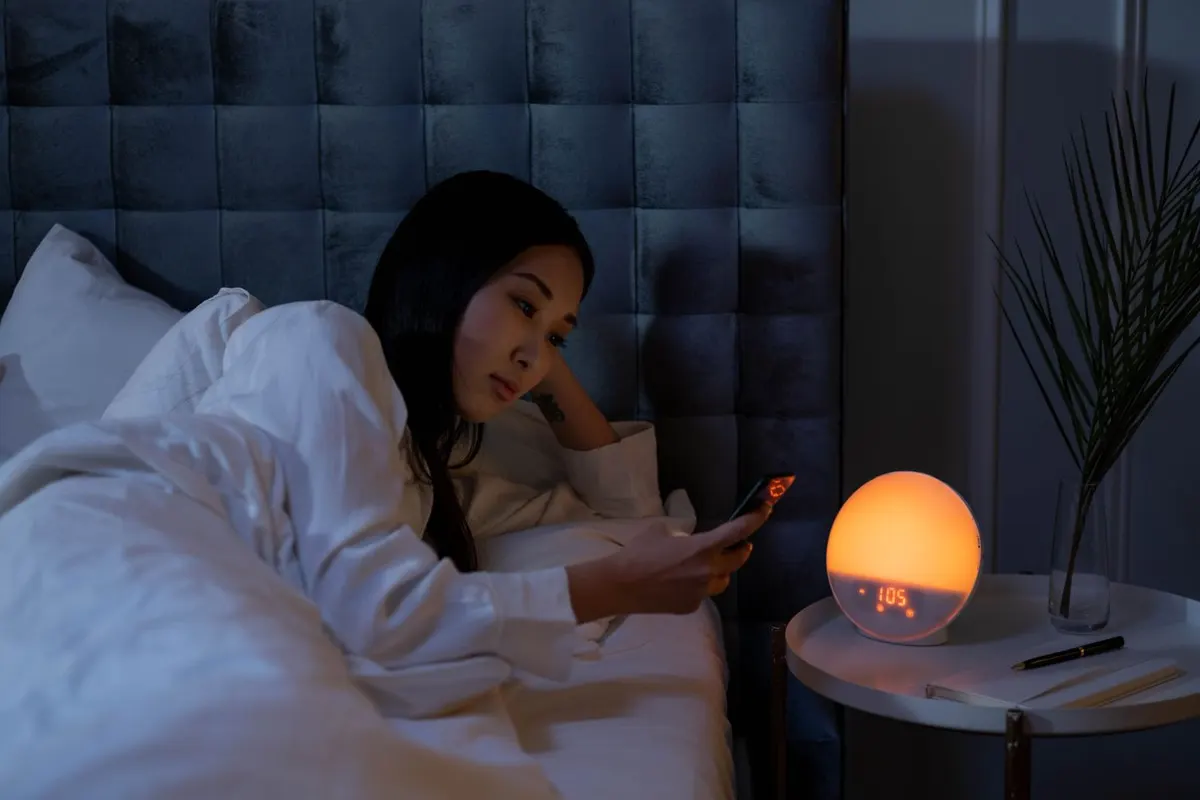
You wake in the small hours too hot, the sheets damp, kicking the duvet off, then shivering as it cools. Night sweats are the night-time version of hot flushes, and they are one of the most exhausting parts of perimenopause and the menopause, precisely because they wreck the sleep you need to cope with everything else.
Why menopause causes night sweats
Like daytime hot flushes, night sweats are driven by falling and fluctuating oestrogen making the brain's temperature control more sensitive. At night your core temperature naturally shifts, and the oversensitive thermostat reads a normal change as overheating, triggering the body's cooling response: you flush and sweat, which wakes you. Because the second half of the night is naturally lighter sleep, these wake-ups hit hard and are tough to recover from.
Night sweats, poor sleep and everything else
Night sweats rarely travel alone. Broken sleep feeds the daytime fatigue, brain fog, irritability and low mood that so many women describe, and those in turn make the next night harder. If your sleep is a big part of the picture, our guide to perimenopause and sleep goes deeper on the 3am wake-up and what helps.
What can help with night sweats
- •Keep the bedroom cool: a lower thermostat, a cracked window, and a fan within reach
- •Breathable cotton or bamboo nightwear and bedding, in layers you can kick off
- •A cool glass of water by the bed and, for some, a cooling pillow or mattress topper
- •Cut evening alcohol and caffeine, both of which make night sweats worse
- •Wind down before bed to lower the stress and anxiety that amplify sweats
When night sweats are frequent or badly disrupting your sleep, British Menopause Society (BMS) guidance notes that menopause treatments, including HRT, can be discussed with a clinician, and many women find their sweats and sleep improve markedly once treated. Whether that is right for you is a decision to make with a GP or nurse prescriber.
Not sure if it's perimenopause?
Map your symptoms in under 10 minutes and get free, personalised advice, then talk to a nurse prescriber if you want to.
Frequently asked questions
Are night sweats a symptom of perimenopause?
Yes. Night sweats are a very common perimenopause and menopause symptom, the night-time version of hot flushes, caused by fluctuating oestrogen making the brain's temperature control oversensitive.
Why do I wake up drenched in sweat during menopause?
As oestrogen swings, the brain's thermostat misreads a normal night-time temperature change as overheating and triggers sweating to cool you down, which wakes you, often in the lighter-sleep second half of the night.
How can I stop menopause night sweats?
Keep the bedroom cool, use breathable layered nightwear and bedding, cut evening alcohol and caffeine, and wind down to reduce stress. If they keep disrupting sleep, the NHS and British Menopause Society note treatments including HRT can be discussed with a clinician.
What is the link between night sweats and insomnia in menopause?
Night sweats physically wake you, and the broken sleep worsens fatigue, mood and anxiety, which then make sleep harder. Treating the sweats and protecting sleep together works better than tackling either alone.
When should I see a GP about night sweats?
See your GP or a nurse prescriber if night sweats are disrupting your sleep or daily life. Also mention drenching night sweats to a doctor if they come with unexplained weight loss, fever or feeling generally unwell, so other causes can be ruled out.