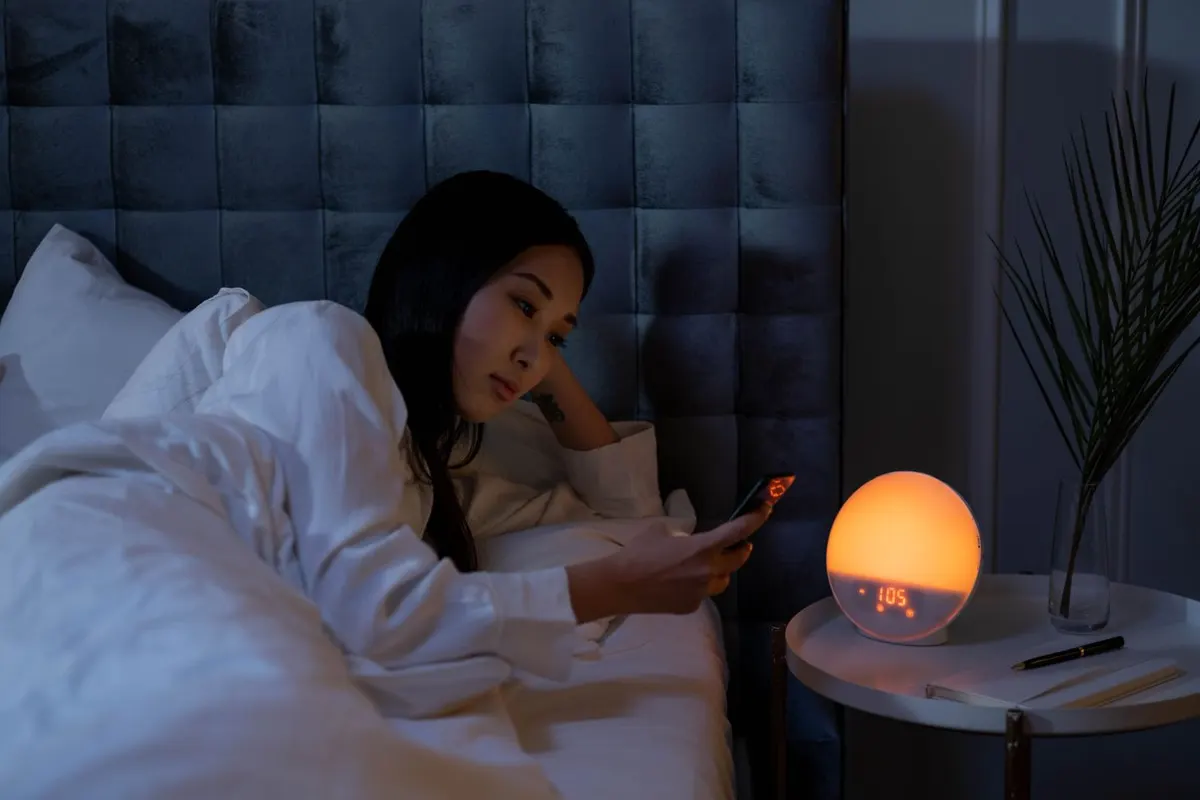
Flat. Tearful over nothing. Short-tempered, or oddly detached from things you used to enjoy. If your mood has shifted in your 40s or 50s and it doesn't feel like “you”, it may not be a coincidence. Low mood is one of the most common, and most under-recognised, symptoms of perimenopause and menopause.
Why hormones affect your mood
Oestrogen helps regulate serotonin and other brain chemicals that steady mood. As it fluctuates and falls in perimenopause, many women feel low, flat, tearful or irritable, often alongside anxiety and disturbed sleep, which drag mood down further. It can feel disproportionate to what's actually going on in your life, and that's the clue that hormones may be part of it.
Low mood or depression, how to tell
Menopausal low mood and clinical depression can look similar and can overlap, so this isn't something to self-diagnose. In general, hormone-related low mood tends to come in waves, often tracking with your cycle or other symptoms like poor sleep and hot flushes. Depression tends to be more persistent and pervasive: a lasting loss of interest, hopelessness, or feeling unable to function most of the day, most days. Either way, it's worth talking to someone.
One important point: British Menopause Society (BMS) guidance notes that antidepressants should not automatically be a first-line treatment for low mood arising from perimenopause on their own, so it's worth a proper conversation about whether your mood is hormonal, and what the right approach is for you.
What can help
- •Naming it: recognising low mood as a possible perimenopause symptom takes away some of the self-blame
- •Protecting sleep, daylight and regular movement, all of which genuinely lift mood
- •Talking therapies such as CBT, which the NHS and BMS recognise for low mood and anxiety in menopause
- •A conversation with a GP or nurse prescriber about whether hormone-related mood changes should be treated, and how
Please get help sooner if you need it. If your low mood is severe, lasting, or you have any thoughts of harming yourself, contact your GP now, call NHS 111, or call the Samaritans free any time on 116 123. You don't have to wait or cope with this alone.
Not sure if it's perimenopause?
Map your symptoms in under 10 minutes and get free, personalised advice, then talk to a nurse prescriber if you want to.
Frequently asked questions
Can menopause cause low mood or depression?
Yes. Falling and fluctuating oestrogen affects the brain chemicals that regulate mood, so low mood, tearfulness and irritability are common in perimenopause and menopause, often alongside anxiety and poor sleep.
How do I know if it's menopause or depression?
They can overlap and look similar, so it's not something to self-diagnose. Hormone-related low mood often comes in waves and tracks with other symptoms; depression tends to be more persistent and pervasive. A GP or nurse prescriber can help tell them apart.
Should I take antidepressants for menopause low mood?
Not automatically. The British Menopause Society notes antidepressants shouldn't be assumed to be a first-line treatment for low mood arising from perimenopause on their own. It's worth discussing whether your mood is hormonal and what the right approach is for you.
What helps menopause low mood?
Recognising it as a symptom, protecting sleep, daylight and regular movement, talking therapies such as CBT, and a conversation with a clinician about hormone-related mood changes all help.
When should I get urgent help?
If your low mood is severe or lasting, or you have any thoughts of harming yourself, contact your GP now, call NHS 111, or call the Samaritans free any time on 116 123.