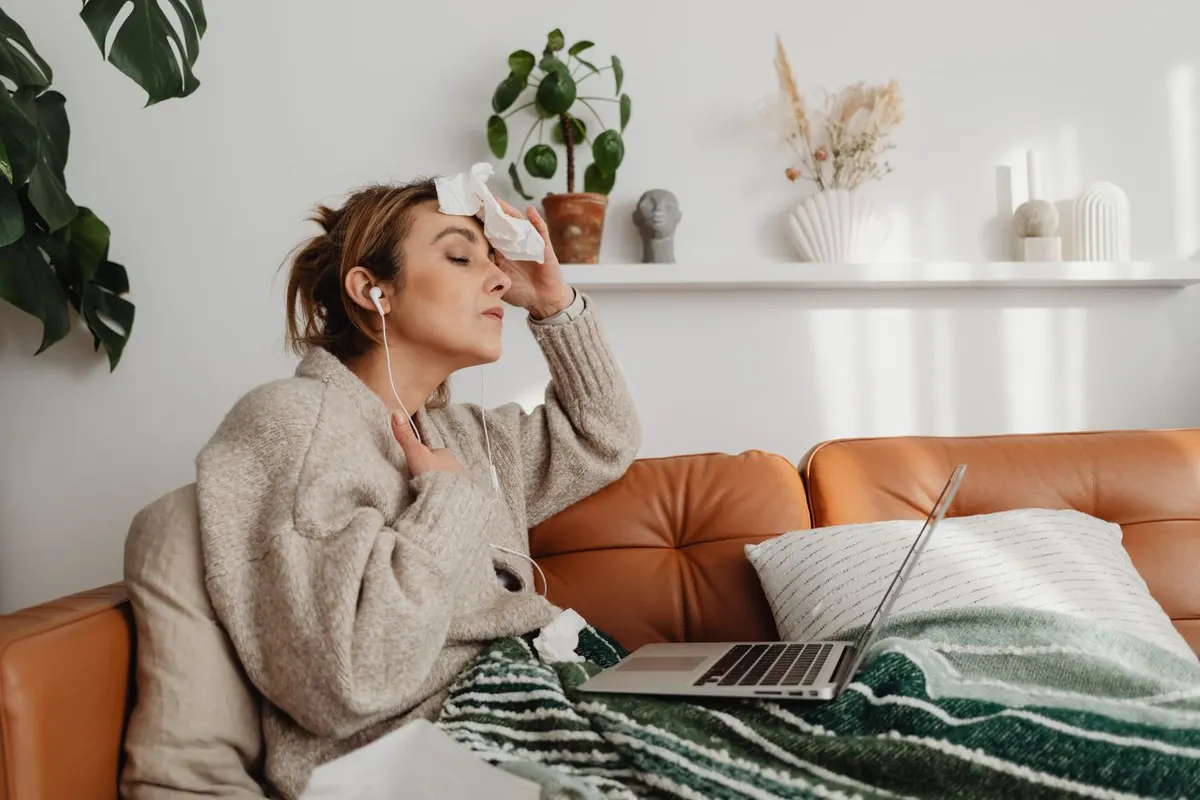
A hot flush can arrive out of nowhere: a wave of heat that rushes up through your chest, neck and face, a flush in your skin, maybe a thump of the heart and a break of sweat, then a chill as it passes. In a meeting, on the school run, mid-sentence. If this has started happening, it is one of the most common and most recognisable symptoms of perimenopause and the menopause, and there are real ways to take the edge off it.
Why perimenopause and menopause cause hot flushes
Hot flushes (and their night-time version, night sweats) are driven by falling and fluctuating oestrogen. Oestrogen helps the part of the brain that regulates temperature, the hypothalamus, judge what counts as “too hot”. As levels swing, that internal thermostat becomes more sensitive, so a small rise in temperature that you would once not have noticed triggers the body's full cooling response: blood vessels near the skin widen to shed heat (the flush), and you sweat. It is a real physiological event, not you “running hot” or imagining it.
Common triggers
Flushes often have triggers, and spotting yours is half the battle. The usual suspects:
- •Alcohol, caffeine and spicy food
- •Stress and anxiety, or a sudden fright
- •A warm room, a hot drink, or being over-dressed in layers
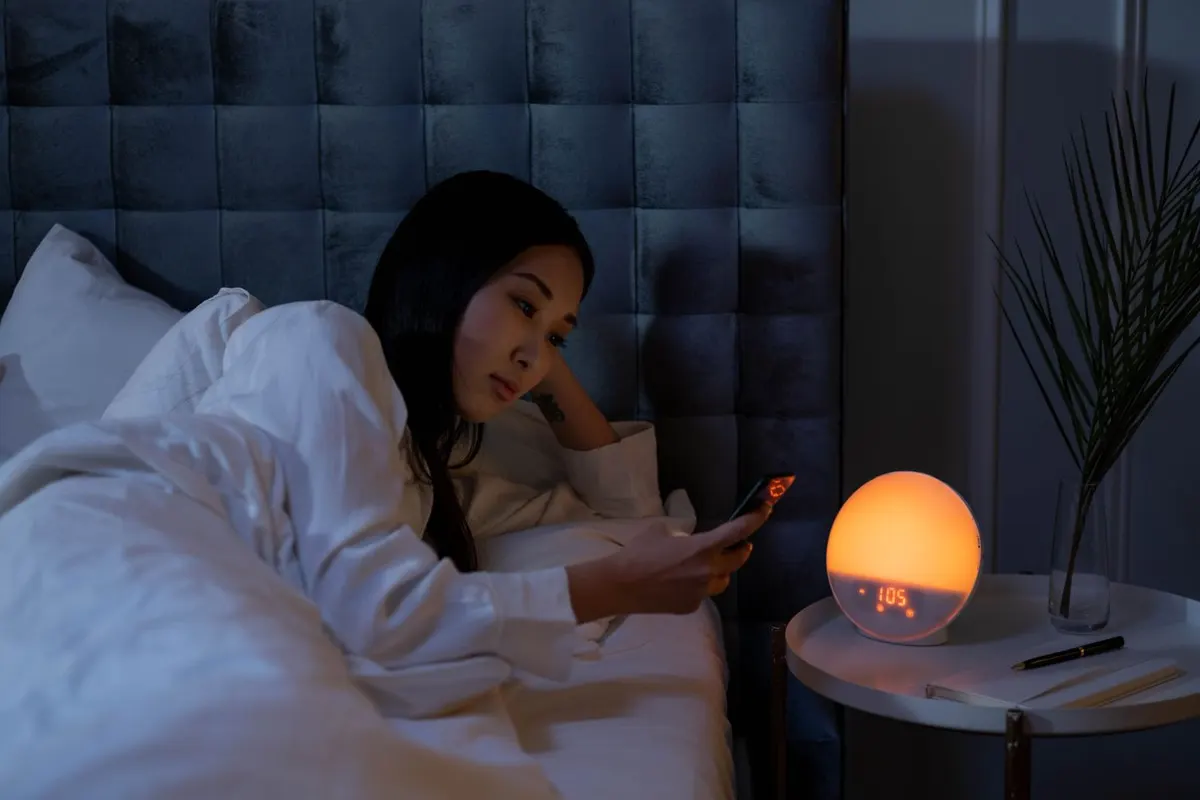
- •Hot flushes are frequently worse at night (night sweats), disturbing sleep
What can help with hot flushes
There is no single switch, but a mix of the following helps most women, and both the NHS and the British Menopause Society (BMS) recognise hot flushes as a genuine menopausal symptom worth addressing rather than putting up with:
- •Dress in light, breathable layers you can peel off, and keep a room cool and well aired
- •Cut back on the triggers you can identify, especially alcohol, caffeine and spicy food in the evening
- •Cool down early: sip cold water, use a fan, and step somewhere cooler when you feel one building
- •Manage stress, as anxiety both triggers flushes and is made worse by them
- •Regular movement and not smoking are both linked to fewer, milder flushes
When flushes are frequent or disruptive, BMS guidance notes that menopause treatments, including HRT, can be discussed with a clinician, and many women find flushes ease considerably once treated. Whether that route is right for you is a decision to make with a GP or nurse prescriber, based on your own history.
Not sure if it's perimenopause?
Map your symptoms in under 10 minutes and get free, personalised advice, then talk to a nurse prescriber if you want to.
Frequently asked questions
Are hot flushes a sign of perimenopause?
Yes. Hot flushes are one of the most common symptoms of perimenopause and menopause. They are caused by fluctuating oestrogen making the brain's temperature control more sensitive.
What triggers hot flushes?
Common triggers include alcohol, caffeine, spicy food, stress, warm rooms and hot drinks. Identifying and reducing your personal triggers is one of the most effective first steps.
How can I stop or reduce hot flushes?
Light breathable layers, a cool room, cutting evening alcohol and caffeine, managing stress, staying active and not smoking all help. If flushes are frequent or disruptive, the NHS and British Menopause Society note treatments including HRT can be discussed with a clinician.
How long do menopause hot flushes last?
It varies widely. Many women have hot flushes for several years around the menopause, and for some they continue longer. They tend to become less frequent over time, and treatment can shorten how long you put up with them.
When should I see a GP about hot flushes?
See your GP or a nurse prescriber if flushes are affecting your sleep, work or daily life, or come with other perimenopause symptoms. They can confirm the cause and discuss what will help.