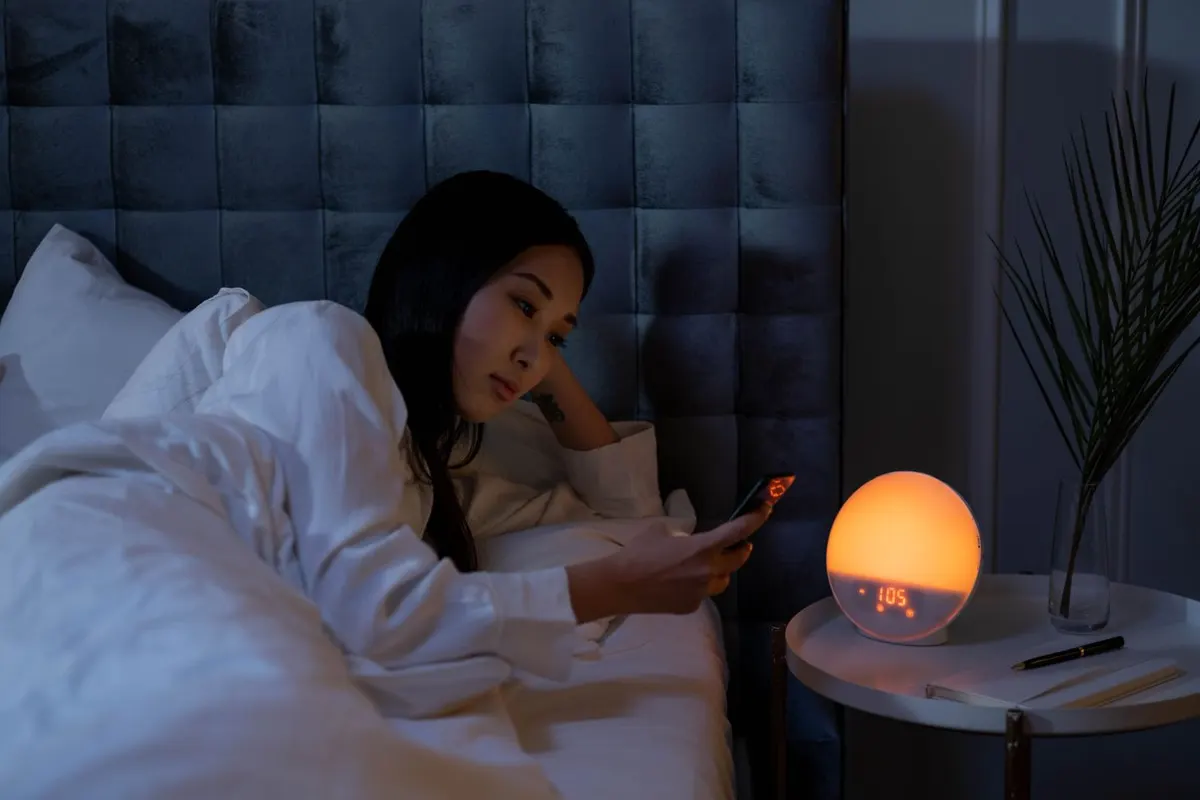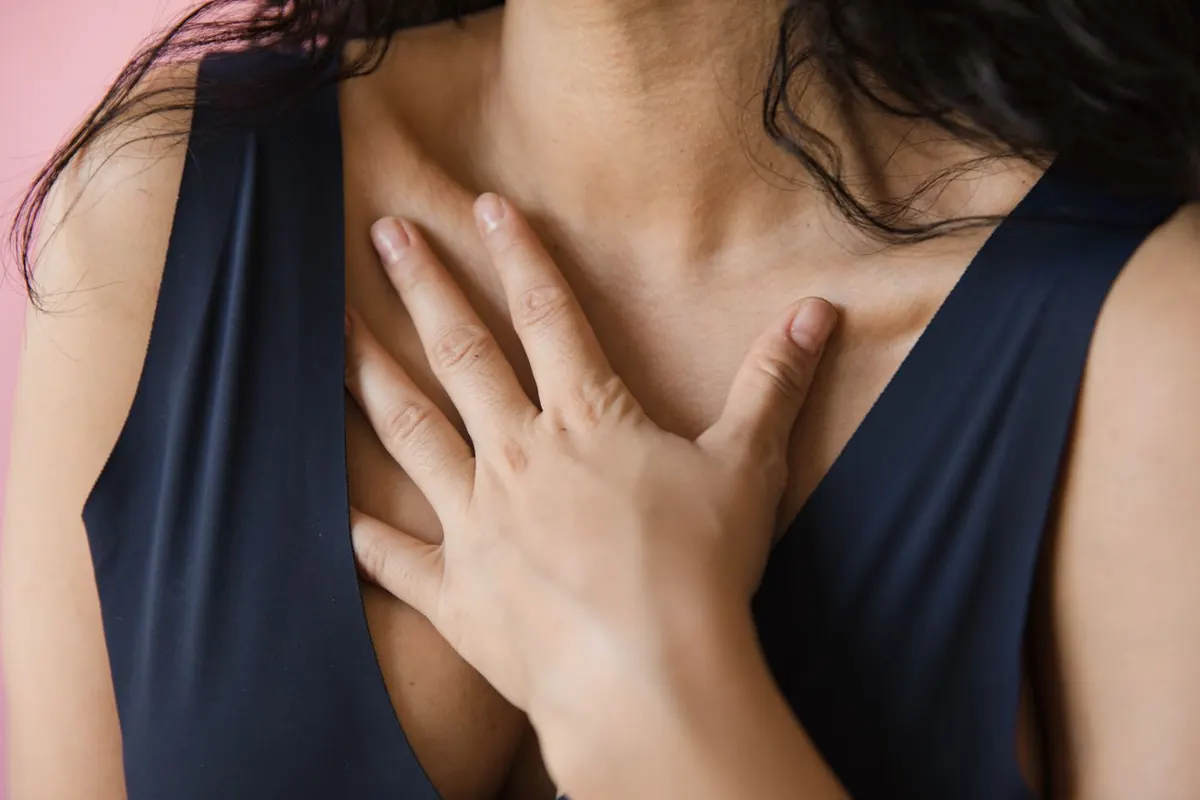
A sudden flutter, a skipped beat, or a pounding heart that seems to come from nowhere, often when you are resting or trying to sleep. Heart palpitations can be unsettling, and they are a recognised, if less talked-about, symptom of perimenopause and the menopause. In most cases they are harmless, but it is worth knowing why they happen and, importantly, when to get checked.
Why menopause can cause palpitations
Fluctuating and falling oestrogen affects the nervous system that controls your heart rate, which can make the heart feel like it is racing, thumping or skipping. Palpitations also ride along with two other common menopause symptoms: hot flushes (the heart often races as a flush builds) and anxiety, which itself sets the heart racing, especially in the early hours. Caffeine, alcohol and poor sleep make all of this more likely.
When to get checked (important)
Menopause is common, but so are other causes of palpitations, so do not simply assume. See your GP if palpitations are frequent, last a long time, are getting worse, or you also have a history of heart problems. Seek urgent medical help (call 999) if palpitations come with chest pain or tightness, severe breathlessness, fainting or feeling like you might pass out. These are not menopause symptoms and need checking straight away. This article is information, not a substitute for that assessment.
What can help with menopause palpitations
- •Cut back on caffeine and alcohol, two of the most common triggers
- •Prioritise sleep, as tiredness makes palpitations more likely
- •Use slow breathing and relaxation when one hits, to calm the nervous system
- •Address the anxiety they often travel with, since the two feed each other
Once anything serious has been ruled out, and where symptoms are clearly linked to perimenopause, British Menopause Society (BMS) guidance notes the menopause can be discussed and managed with a clinician. Whether any treatment is right for you is a decision to make with a GP or nurse prescriber.
Not sure if it's perimenopause?
Map your symptoms in under 10 minutes and get free, personalised advice, then talk to a nurse prescriber if you want to.
Frequently asked questions
Are heart palpitations a symptom of perimenopause?
Yes, palpitations are a recognised perimenopause and menopause symptom. Fluctuating oestrogen affects the nervous system controlling heart rate, and palpitations often accompany hot flushes and anxiety.
Why does my heart race during menopause?
Changing oestrogen levels affect the nerves that regulate heart rate, so the heart can feel like it is racing or skipping. It is often worse with hot flushes, anxiety, caffeine, alcohol or poor sleep.
When are menopause palpitations something to worry about?
See your GP if palpitations are frequent, prolonged, worsening, or you have a history of heart problems. Call 999 if they come with chest pain, severe breathlessness, fainting or nearly passing out, as these need urgent assessment and are not menopause symptoms.
What helps menopause heart palpitations?
Once serious causes are ruled out, cutting caffeine and alcohol, prioritising sleep, slow breathing during an episode, and managing the anxiety that often accompanies them all help.