Testosterone is not the first thing tried in menopause care, and it is not something you buy off a menu. It sits at the end of a sequence, and the sequence exists for a good reason: most of what sends women looking for testosterone turns out to have another explanation. This is what an assessment covers, so you can see where you are in that sequence before you book anything.
Oestrogen comes first
The single most common finding is that oestrogen has not been optimised yet. Sleep, mood, flushes and desire are all affected by it, and desire in particular is difficult to read while someone is still waking at three in the morning. A prescriber will normally want your HRT settled and working before adding anything, so that whatever changes next can be attributed to the thing that changed.
What else gets considered
- •Sleep. Chronic broken sleep suppresses desire on its own, and treating it can be enough.
- •Thyroid function and iron, both of which cause the tiredness often blamed on hormones.
- •Medication. Several common prescriptions affect desire, and a change may be simpler than an addition.
- •Pain. Vaginal dryness and painful sex reduce desire for obvious reasons, and are treated differently.
- •Mood and stress, which are causes as often as they are consequences.
- •Relationship and life context, which a good consultation will ask about without making it awkward.
What the conversation is looking for
Not simply low desire, but persistent low desire that is causing you personal distress, with oestrogen already optimised and the alternatives above considered. That combination is what the British Menopause Society describes, and it is what a prescriber has to be able to document. If you recognise yourself in that description, you are the person this treatment exists for.
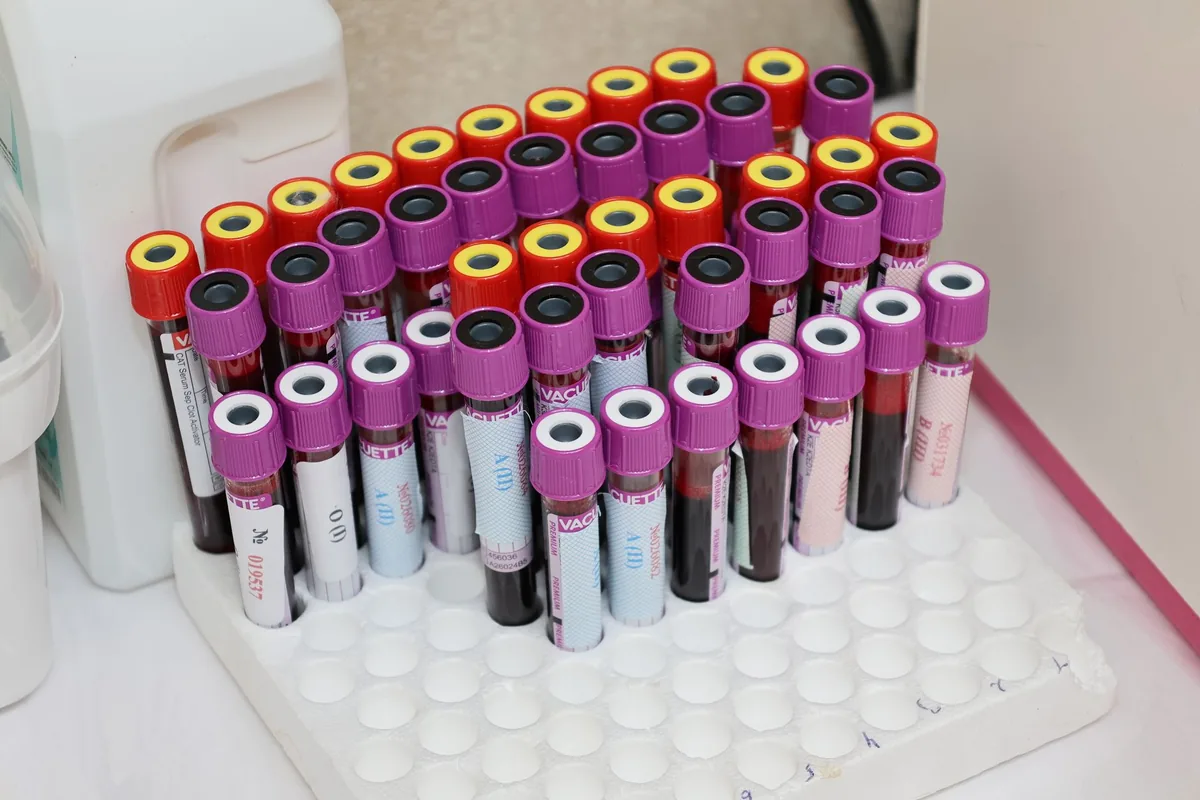
If the conversation does move on to treatment, a baseline blood test comes next. What that covers, and what it cannot tell you, is in testosterone blood tests for women.
Situations that need more care
- •A history of hormone-sensitive cancer, where decisions belong with the team who know your case.
- •Pregnancy, or trying to conceive.
- •Acne or unwanted hair growth that already bothers you, since these are the effects most likely to appear.
- •Anyone who has bought testosterone online already, which is worth saying out loud rather than hiding, because the dose matters.
None of these are automatic refusals. They are reasons for a longer conversation rather than a quick yes.
What happens if the answer is not now
It is usually not a permanent no. It is more often a sequence: get oestrogen right, check the things that mimic this, then look again in a few months. That is a better outcome than starting something that cannot be interpreted.
How Solene fits
Solene is nurse-led, and the assessment above is the consultation rather than a form. If testosterone is not the right next step, you will be told what is. See what our plans include.
Want to know where you are in that sequence?
Map your symptoms in under 10 minutes and get free, personalised advice, then talk to a nurse prescriber if you want to.
Frequently asked questions
Do I have to be on HRT before testosterone?
Normally yes. Oestrogen is optimised first, because it affects the same symptoms and makes the effect of anything added afterwards possible to interpret.
Can I have testosterone if I am not on HRT at all?
It is unusual. It is given alongside HRT rather than instead of it in most cases, and a prescriber would want to understand why HRT is not being used.
Will I be refused if I have had breast cancer?
Not automatically, but those decisions belong with the team who know your case, and any prescriber should want to involve them.
How long does the assessment take?
It is a consultation rather than a questionnaire, and it covers your history, what has already been tried and what else could explain your symptoms.